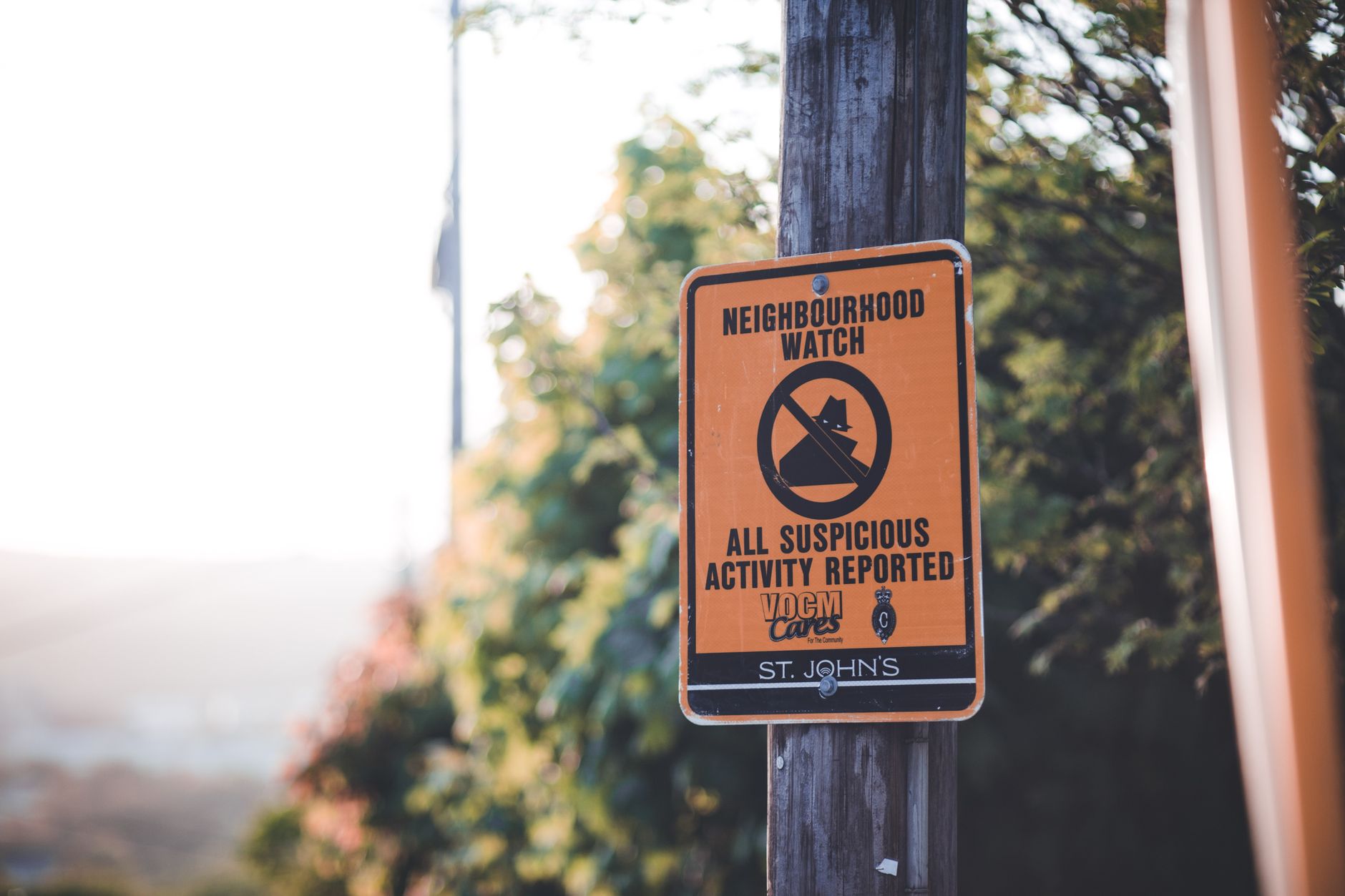
Community safety updates, crime prevention awareness and neighbourhood watch participation are three things that consistently make a measurable difference to how safe a suburb actually feels. Liberty Grove is a close-knit, well-managed estate, but no community is immune to opportunistic crime, antisocial behaviour or the kind of low-level incidents that erode trust between neighbours if left unaddressed. This guide covers what residents should know, what local programs exist, and how to get involved.
What neighbourhood watch actually does in Liberty Grove
Neighbourhood Watch is a volunteer-based program run in partnership with NSW Police. It doesn't replace police response. What it does is create a network of residents who share information, report suspicious activity promptly, and look out for each other's properties. In a planned estate like Liberty Grove, where residents often share common areas, lifts and car parks, that network is especially useful.
Local Neighbourhood Watch groups typically coordinate through a nominated area coordinator who liaises with the local police area command. For Liberty Grove and the surrounding suburbs, that's the Burwood Police Area Command. Residents can find their nearest group and coordinator through the NSW Police website or by asking at the Burwood Police Station directly.
The practical value of an active Neighbourhood Watch group comes down to two things: speed and consistency. Residents who know their neighbours notice when something is off. They report it faster. That faster reporting leads to better outcomes, particularly for car park theft, parcel theft and trespassing.
Common crime types to know about in inner-west Sydney
Liberty Grove sits within inner-west Sydney, and the crime patterns here tend to mirror what police across the region report. The most common issues affecting apartment-dense suburbs include:
- Vehicle break-ins and theft from cars in basement car parks, particularly where lighting is poor or access control is inconsistent.
- Parcel theft from building lobbies and mailrooms, which has increased as online shopping volumes have grown.
- Opportunistic trespassing in shared areas, including pools, gyms and rooftop terraces in strata buildings.
- Bicycle theft from bike storage areas, particularly where bikes are secured only with cable locks.
None of these are unique to Liberty Grove. But being aware of them shapes the small decisions residents make: whether to leave a parcel slip on the letterbox, whether to report a propped-open fire door, whether to introduce yourself to a new neighbour.
How to report incidents and suspicious activity
For anything requiring an urgent police response, call 000. For non-urgent matters, including suspicious activity that doesn't require immediate attendance, call the Police Assistance Line on 131 444. You can also report non-urgent matters online through the NSW Police website.
If an incident occurs within a strata building, the strata manager and the building's committee should also be notified. This matters because repeated incidents in common areas can trigger changes to building access controls, lighting upgrades or security patrols. Those decisions sit with the committee, not individual residents. For more on how strata governance works in Liberty Grove, the strata living guide for Liberty Grove covers the committee structure and what residents can raise at general meetings.
Keep records. Date, time, location, a brief description of what you saw. Even if a single incident seems minor, a pattern across three reports becomes actionable for police.
Practical crime prevention steps for residents
Most property crime in apartment buildings is opportunistic. The offender isn't targeting a specific resident; they're looking for the easiest entry point. The goal of crime prevention isn't to build a fortress. It's to be a less attractive target than the next building.
A few specific steps make a real difference. Secure your car with a steering wheel lock in addition to your factory immobiliser, particularly if your vehicle is parked in a shared basement. Don't leave visible items in your car overnight. Use a D-lock rather than a cable lock for bicycles. Register your bike's serial number on the Bicycle Register so it can be returned if recovered.
For parcel security, use a parcel locker for high-value deliveries rather than relying on lobby drop-offs. Some residents also use their workplace address for parcels they can't sign for in person. If your building has a parcel room, make sure the access code isn't shared publicly.
Know your neighbours. That's not sentimental advice. It's the single most effective crime deterrent in a shared building. An unfamiliar face in a stairwell gets noticed faster when residents know the regulars on their floor.
Getting involved with local safety initiatives
Residents who want to do more than report incidents have a few options. Joining or forming a Neighbourhood Watch group is the most structured path. NSW Police can help establish a group if one doesn't already exist in your immediate area, and the commitment is light: occasional meetings and a willingness to share local safety information with neighbours.
The Liberty Grove Community Association is another channel worth engaging with. The association makes decisions about shared spaces, maintenance and by-laws, and safety concerns raised by residents can feed into those discussions. If you've noticed a lighting issue in a car park or a broken access gate, raising it at a community association meeting puts it on the formal record.
Community connection itself is a safety outcome. Suburbs where residents know each other, speak to each other, and feel responsible for shared spaces are measurably harder to victimise. That's not an abstraction. It's what the research on situational crime prevention consistently shows, and it's something Liberty Grove residents are well placed to act on.
Staying up to date with safety news
NSW Police publishes local crime statistics through the Bureau of Crime Statistics and Research (BOCSAR), updated quarterly. These statistics break down by offence type and local government area, which gives residents an accurate picture of trends rather than relying on anecdotal reports. Burwood LGA data is publicly available and free to access.
Beyond the statistics, local Facebook groups and the building's notice boards are often the fastest way to hear about specific incidents in the area. These aren't official sources, so treat individual reports with appropriate scepticism. But patterns across multiple resident reports are worth paying attention to and passing on to police via the official channels.
Community safety isn't a set-and-forget situation. It's a habit, built from small consistent actions: locking a gate, introducing yourself to a new neighbour, filing a report when something seems wrong. Liberty Grove has the community structure to do this well.